
Mother Nature Is the Boss: Farming on Her Schedule
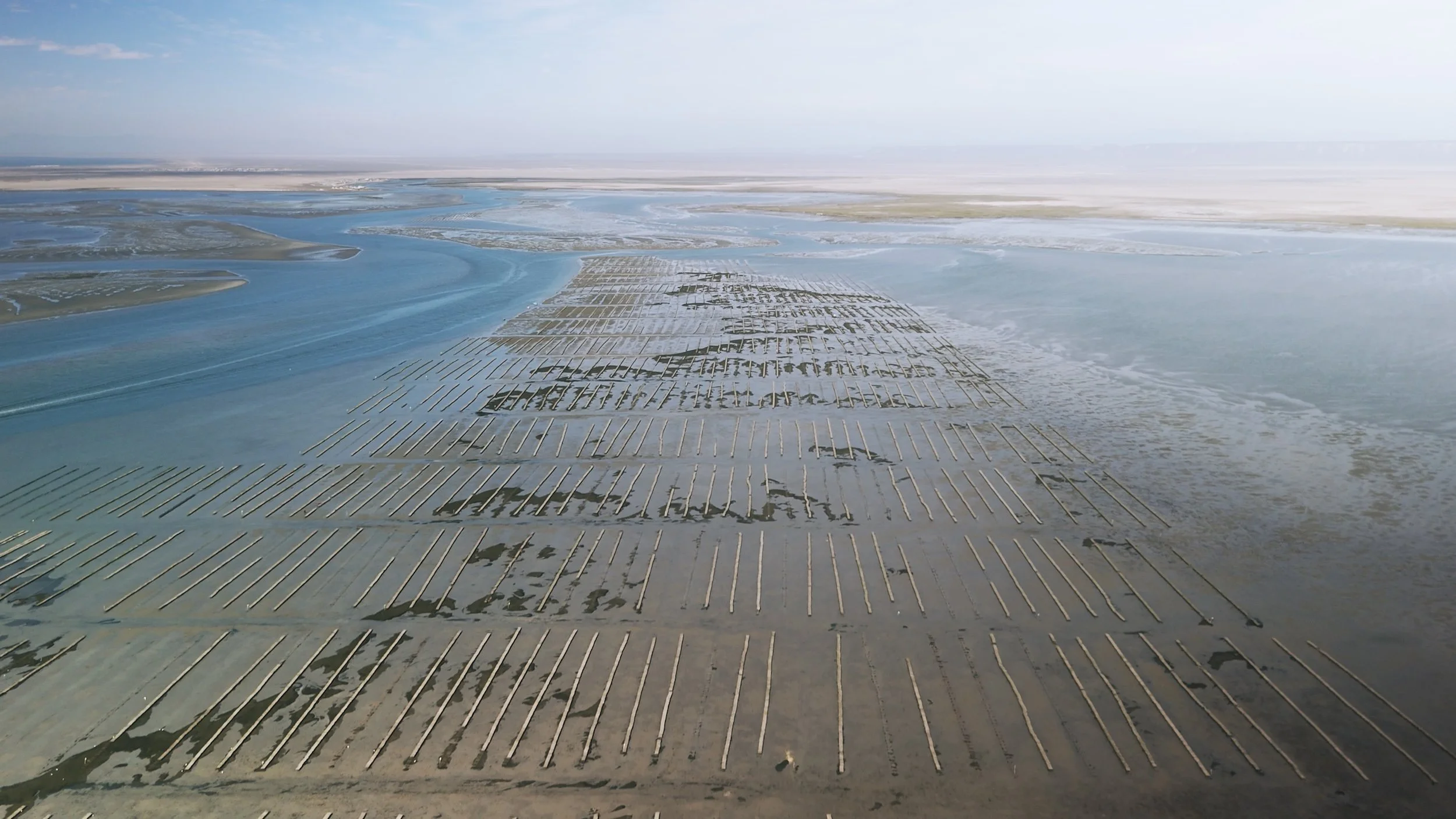
At Sanctuary Oysters, the ocean sets the schedule. We simply learn to work with it.
Oyster farming is a delicate balance of science, experience, and respect for nature. While modern aquaculture has introduced innovative ways to cultivate oysters, one thing remains unchanged: Mother Nature is always in charge.
From shifting tides and water temperatures to changing ocean conditions, every day on the farm brings a new set of variables. Understanding and adapting to these natural rhythms is an essential part of raising exceptional oysters.
For Sanctuary Oysters, sustainable oyster farming means working in harmony with the environment rather than trying to control it.
The Rhythm of the Tides
The ocean is constantly moving, and those movements play an important role in oyster cultivation. Tidal currents deliver oxygen and naturally occurring phytoplankton, the microscopic algae that oysters filter from the water for nourishment. Water movement helps maintain healthy growing conditions.
At Sanctuary Oysters, our French-designed, off-bottom cultivation systems take advantage of these natural currents, allowing oysters to benefit from the continuous movement of nutrient-rich water.
But tides also influence the work happening above the water. Changing water levels and currents can affect when and how farmers access growing areas, inspect equipment, and handle oysters.
Rather than forcing a rigid schedule, successful oyster farming requires understanding these patterns and planning around them.
Temperature: A Natural Pace Setter
Just as seasons influence crops on land, water temperatures influence life beneath the surface.
Oysters are sensitive to their surrounding environment, and temperature plays a significant role in their metabolism, feeding activity, and growth rates. Warmer waters can encourage faster biological activity, while cooler temperatures may slow growth. These natural fluctuations mean that oyster development doesn't always follow a predictable timeline.
For farmers, monitoring water temperatures helps inform decisions about oyster handling, growing conditions, and harvesting.
In the waters of Baja California, where Sanctuary Oysters are cultivated, understanding these temperature patterns is part of maintaining healthy oysters throughout their growing cycle.
The goal isn't necessarily to grow oysters as quickly as possible. It's to give them the right conditions to develop naturally.
When the Ocean Changes the Plan
Even with careful preparation, no two days on an oyster farm are exactly alike. Strong winds, changing currents, unusual temperatures, and shifting weather conditions can all affect daily operations. A planned day of farm maintenance or oyster harvesting may need to be adjusted when conditions aren't suitable. These changes aren't necessarily setbacks. They're part of working in a living, constantly evolving environment.
Successful aquaculture depends on flexibility, with farmers continually observing conditions and making informed decisions that prioritize the health of the oysters and the safety of the people caring for them.
This adaptability is also an important part of climate resilience. As marine environments experience changing conditions, understanding local ecosystems and remaining responsive to environmental signals becomes increasingly valuable.
A Special Relationship with Baja's Waters
Sanctuary Oysters are grown in the remote waters of Baja California's El Vizcaíno Biosphere Reserve, a remarkable marine ecosystem known for its rich biodiversity and natural beauty. Here, cold, nutrient-rich waters and tidal movement provide the foundation for oyster cultivation.
Our growing methods are designed to work with these conditions, using natural water circulation and off-bottom farming techniques to support oyster development. This relationship with the surrounding environment goes beyond the flavor and quality of our oysters. It shapes how we approach the entire farming process.
From understanding seasonal changes to adapting daily operations, our work begins with paying attention to the waters that make it all possible.
Patience Is Part of the Process
In a world that often prioritizes speed and efficiency, oyster farming offers a different perspective. Some things simply can't be rushed. Oysters need time to grow, favorable conditions to thrive, and careful attention throughout their development. Technology and experience can help farmers make better decisions, but neither can replace the natural processes that shape each oyster.
At Sanctuary Oysters, we believe the best approach is to respect those processes, adapt when necessary, and let nature do what it does best. Because when it comes to sustainable oyster farming, Mother Nature doesn't just influence the schedule.
She makes it.