
Inside Sanctuary Oysters’ Hatchery in La Aguja
The story of an oyster begins long before it reaches the plate. It starts in the quiet precision of a hatchery, where science, stewardship, and patience come together to support the next generation of oysters.
In 2023, Sanctuary Oysters opened a new state-of-the-art hatchery laboratory in La Aguja, Baja California Sur, expanding the company’s ability to cultivate oysters with care from the earliest stages of life. This facility allows the team to carefully manage breeding, larval development, and early growth before oysters are transferred to the farms where they continue their journey.
Designed with specialized rooms for each stage of development, the hatchery ensures that oysters grow in optimal conditions while supporting consistent, high-quality production.
Below is a look inside the key areas of the facility and the role each plays in the life cycle of an oyster.
Broodstock Conditioning Area
Every oyster begins with healthy broodstock. This area houses the adult oysters that will produce the next generation. Conditions such as temperature and salinity are carefully controlled, and the oysters are fed high-quality algae to ensure they are well nourished. The goal of this stage is simple but essential: allow the oysters to mature and prepare for reproduction.
Spawning Room / Spawning Laboratory
Once the broodstock are ready, the process moves into the spawning laboratory.
Here, oyster spawning is induced, mainly by temperature changes, to trigger the release of eggs and sperm. These are then carefully collected and fertilized, marking the beginning of the larval stage. This room is where the next generation of Sanctuary Oysters truly begins.
Larval Rearing Room
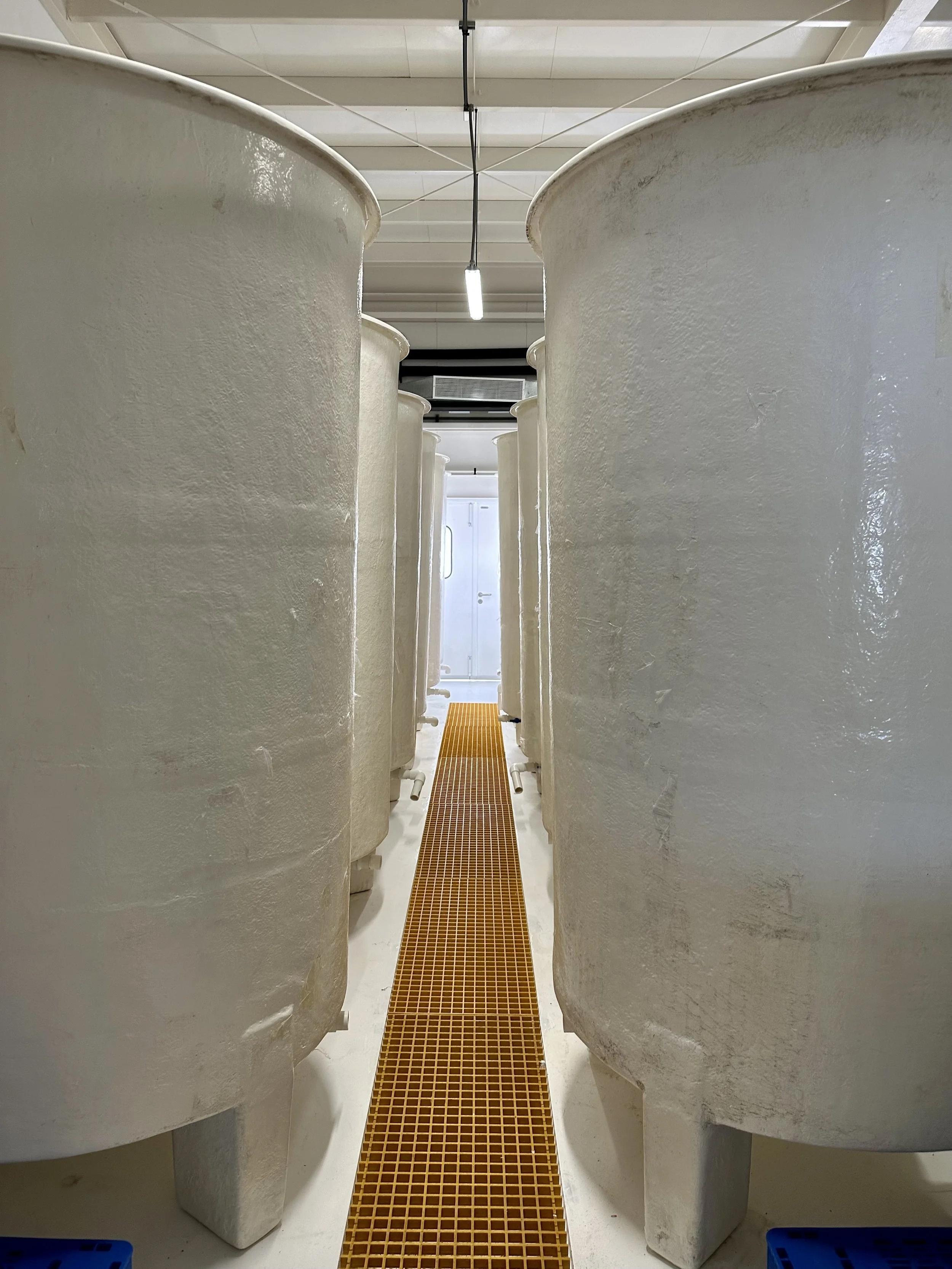
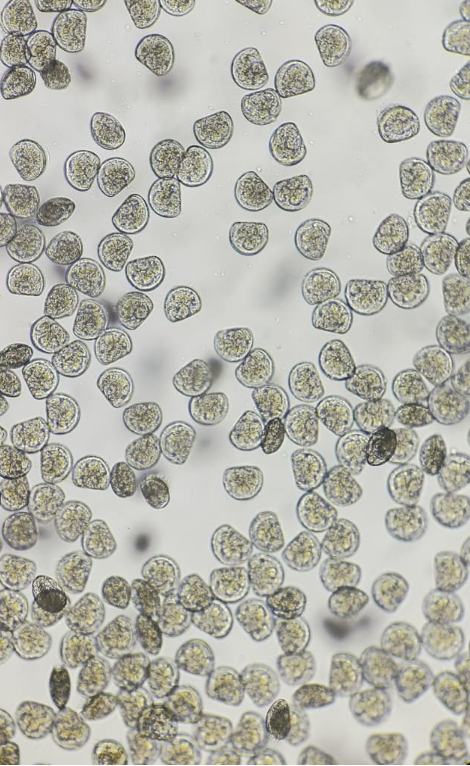
After fertilization, the newly formed larvae move into the larval rearing room, essentially a nursery for free-swimming oyster larvae. The larvae grow in large rearing tanks, where they are closely monitored each day. The team performs regular water changes and carefully tracks their development. Larvae are counted, measured, and classified as they grow, ensuring healthy progression before they move to the next stage.
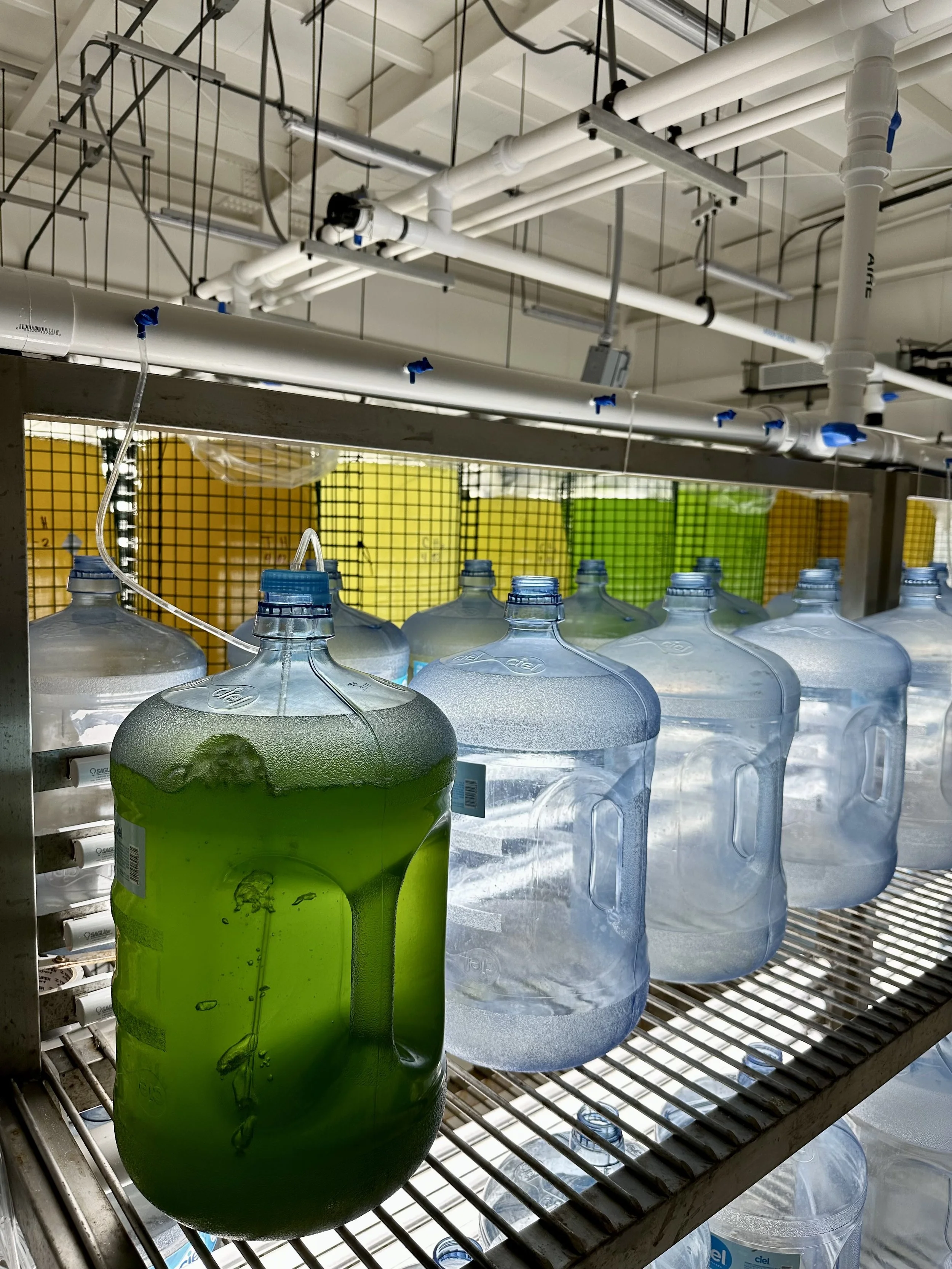
Algae Laboratory / Phytoplankton Room
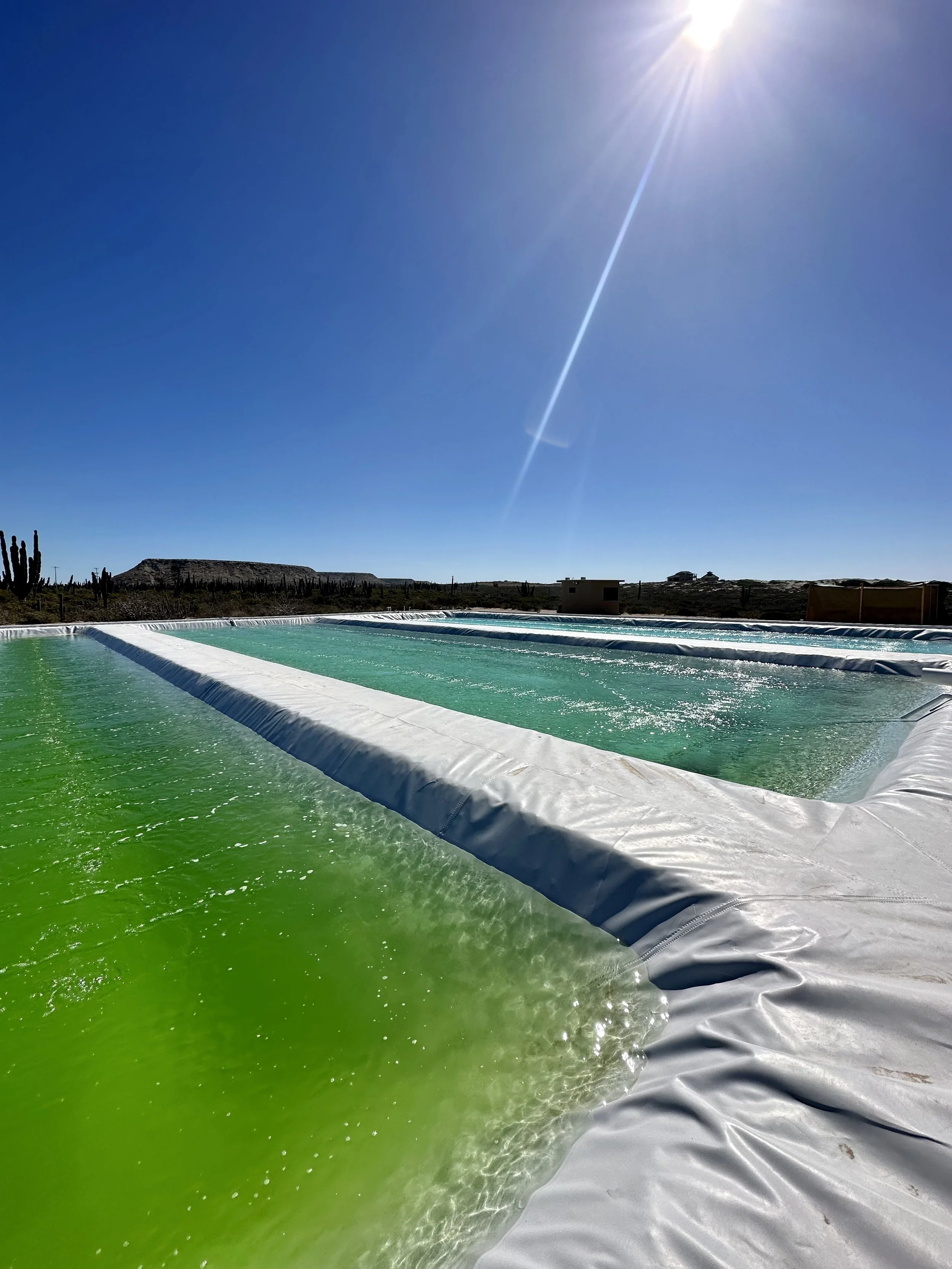
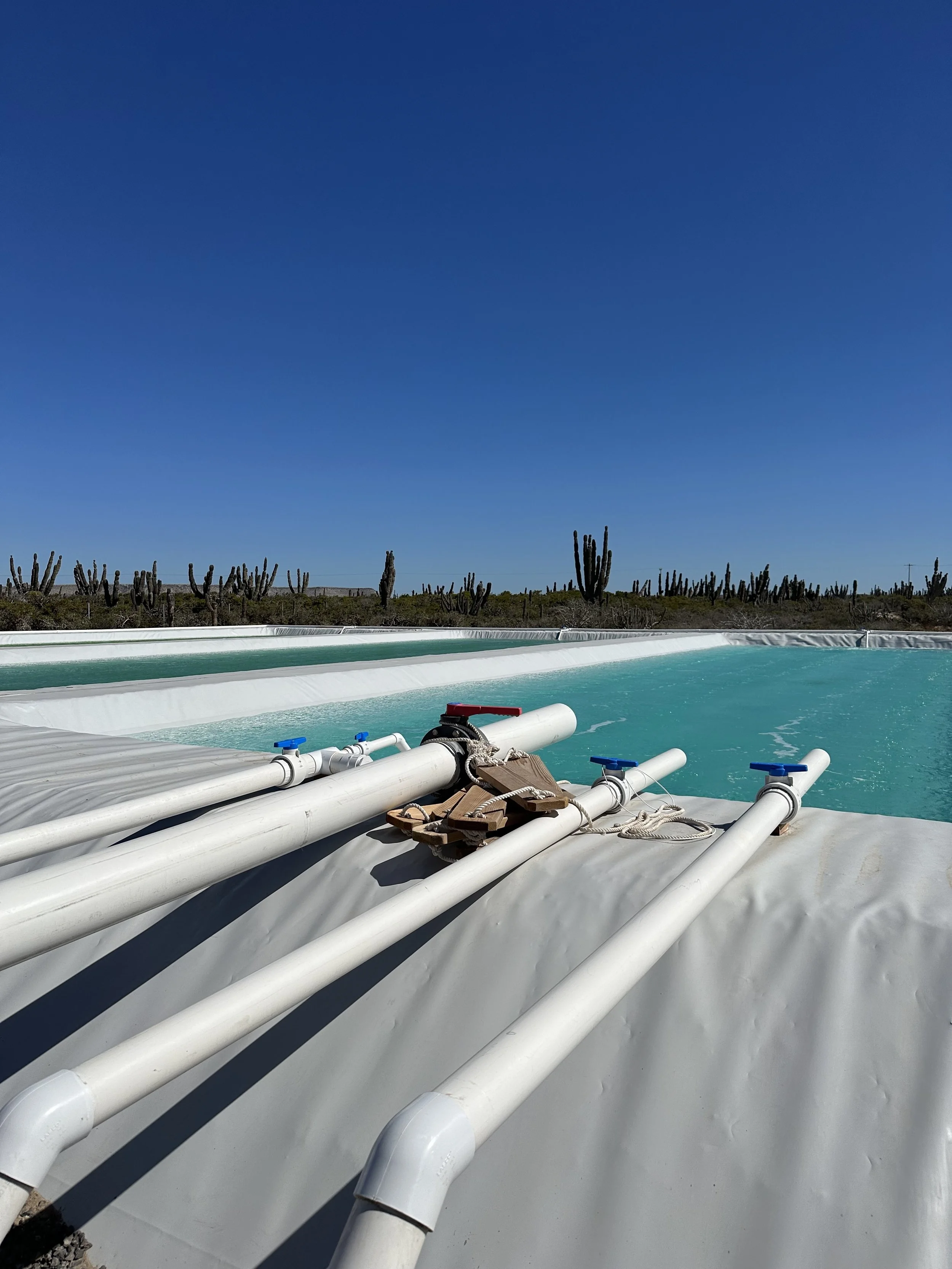
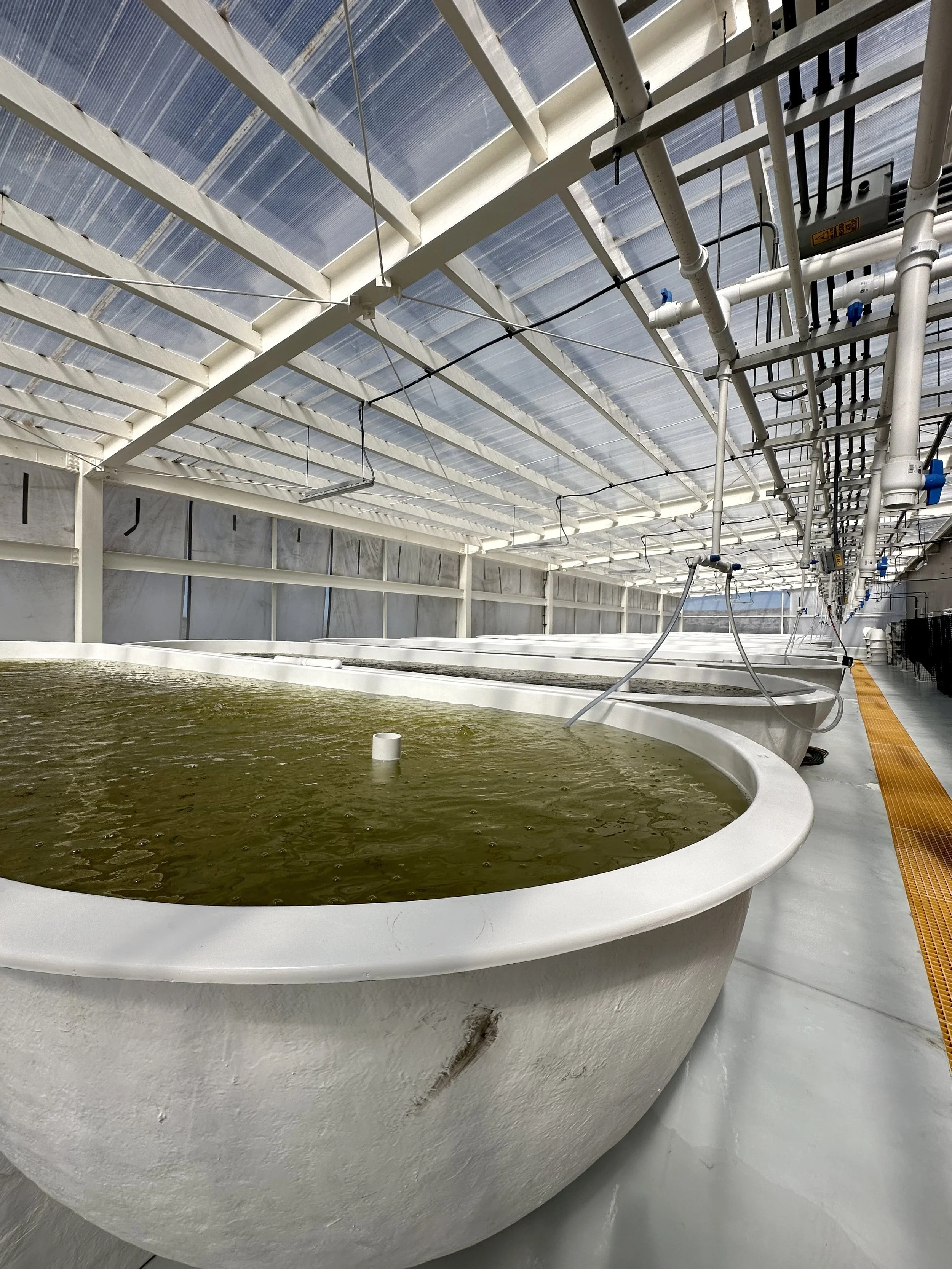
Young oysters require a steady supply of food, and that food begins in the algae laboratory. In this space, the team cultivates live microalgae, the primary food source for oyster larvae. Multiple species are grown using flasks, bioreactors, and ponds, creating a reliable and nutritious diet that supports healthy growth.
Attachment Tanks / Metamorphosis Area
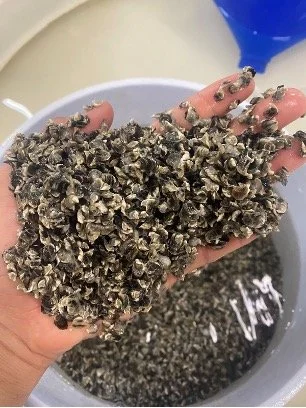
As oyster larvae mature, they eventually reach the stage where they are ready to settle and transform into juvenile oysters. In the attachment tanks, larvae are provided with a shell substrate surface where they can attach. Once attached, they undergo metamorphosis and become oyster spat. At Sanctuary’s hatchery, this process uses individual attachment with shell substrate, giving each young oyster a place to begin its life on the seafloor.
Nursery
After attachment, the young oysters move to the nursery. Here, the newly settled spat continues strengthening and growing. The environment provides increased water flow and food levels, helping them develop into resilient juvenile oysters. This stage prepares them for the next step in their journey.
Grow-Out / Transfer Area
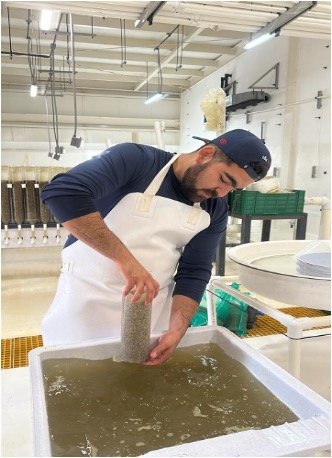
Once the oysters have reached the appropriate stage of development, they move into the grow-out or transfer area. Here, the team sorts and counts the young oysters, preparing them for transport. From this point, they are transferred to farms or field nurseries, where they will continue growing in their natural marine environment.
Water Treatment and Filtration Room
Behind the scenes, one of the most important systems in the hatchery is the water treatment and filtration room. Often described as the lifeblood of the nursery, this area maintains optimal water quality through a combination of:
Sand filtration
Cartridge filters
UV sterilization
Pumps, chillers, and heaters
These systems ensure stable and healthy conditions throughout the facility.
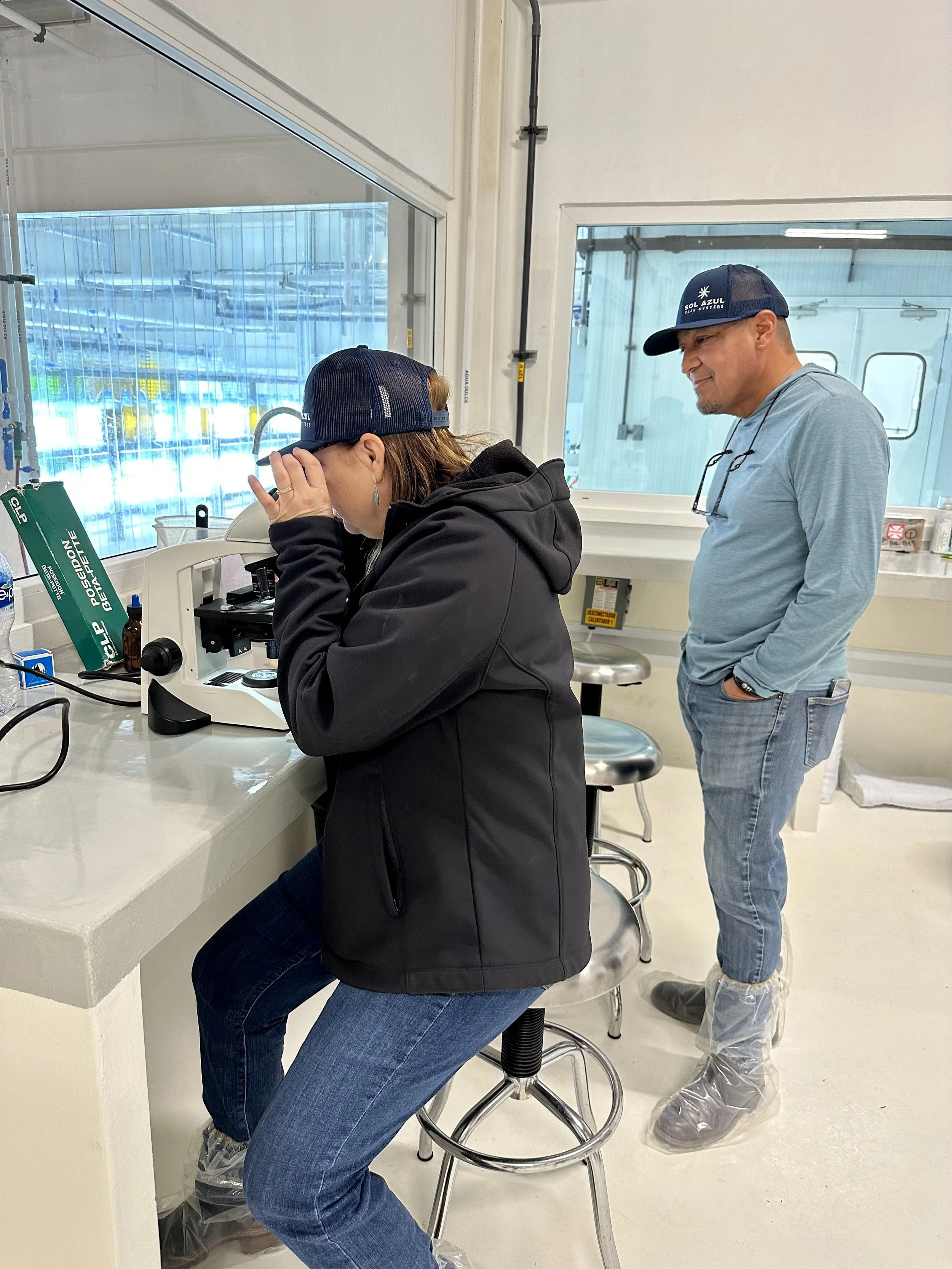
Wet Lab
The hatchery also includes a dedicated wet laboratory for hands-on monitoring and research.
This space is used for:
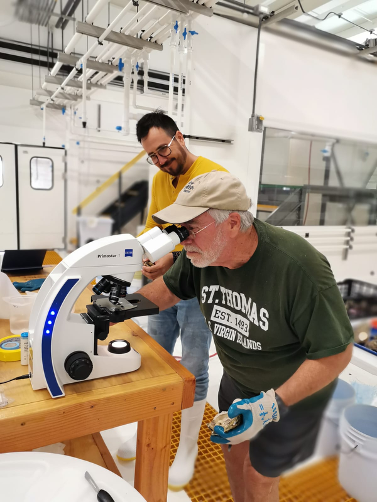
Microscope analysis of larvae
Health checks
Water quality testing
Disease and growth monitoring
The wet lab allows the team to track oyster health at every stage and respond quickly to ensure optimal conditions.
The La Aguja hatchery represents an important step forward for Sanctuary Oysters. By cultivating oysters from their earliest stages in a carefully managed environment, the team can support consistent quality while continuing their commitment to responsible aquaculture. From broodstock conditioning to larval development and early growth, every room in the hatchery plays a role in nurturing the next generation, long before the oysters reach the waters where they will finish growing. It’s a process built on patience, precision, and a deep respect for the life cycle of the oyster.